You care about your home, I care about your foundation. In Northwest Arkansas, we deal with a specific set of challenges. We have heavy spring rains, rocky Ozark soil, and clay that refuses to let go of moisture. Whether you are in a new build in Bentonville or a historic home in Fayetteville, water is your primary enemy.
I see the same errors repeated across Washington and Benton Counties. Homeowners try to DIY a solution, or they hire a general laborer who doesn't understand hydro-dynamics. The result is always the same. Sinking slabs, cracked crawlspaces, and soggy lawns that never dry out. We can do better. We will do better.
Here are the seven most common drainage mistakes I see in NWA and exactly how we fix them together.
1. Ignoring the Negative Grade
You look at your yard, it looks flat. It isn't. In Northwest Arkansas, the clay-heavy soil expands when wet. If your yard slopes toward your house, even slightly, gravity wins every time. Water pools against the concrete, finds a hairline crack, and enters your basement.
The Problem: Negative grading. Soil that sits higher than the foundation or slopes inward.
The Consequence: Foundation rot, mold growth, and hydrostatic pressure that can buckle walls.
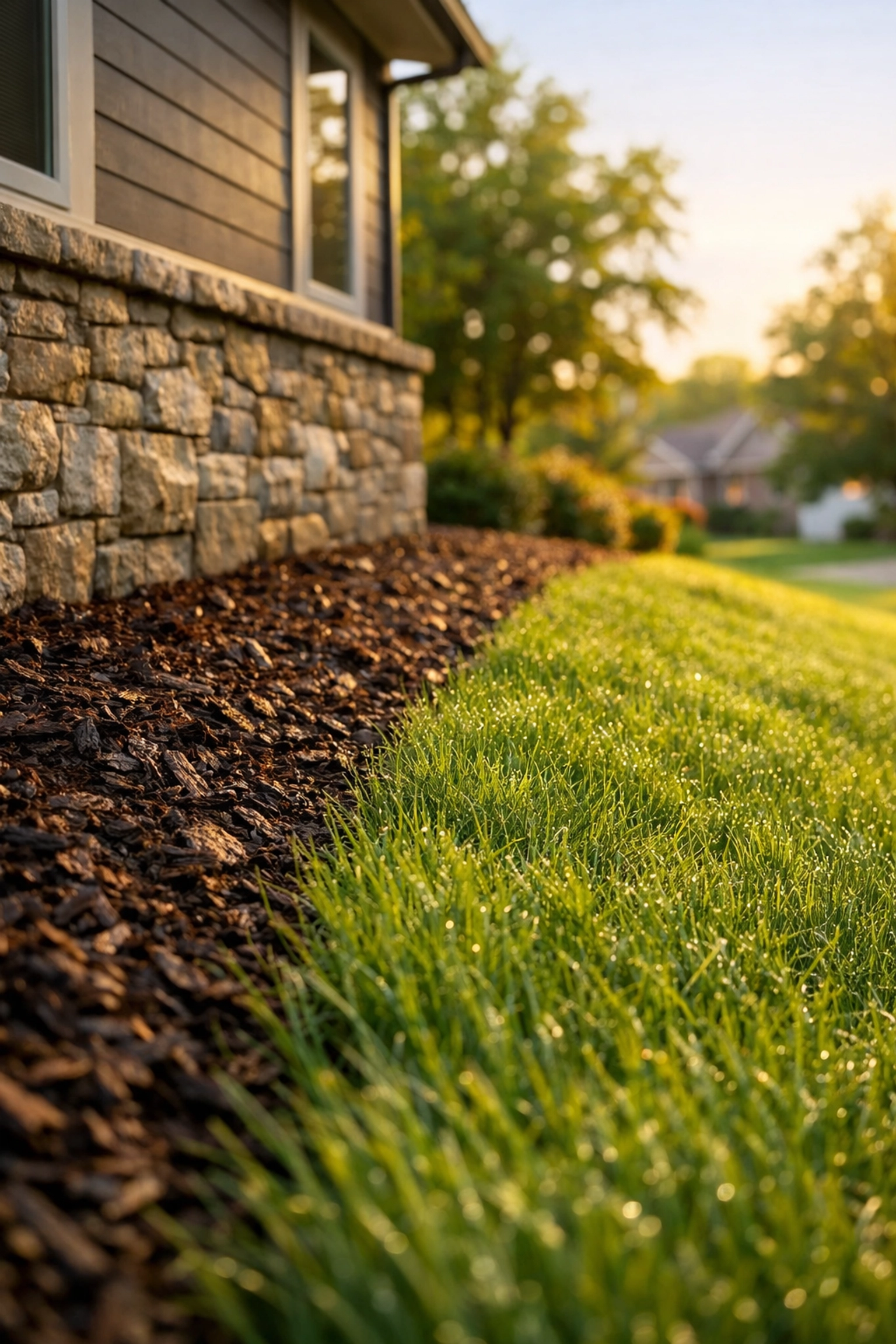
The Professional Solution: We regrade the perimeter. We ensure a minimum 5% slope away from the structure. This means for every ten feet you move away from the house, the ground should drop at least six inches.
2. Short-Sighted Downspout Management
Your gutters do half the work, your downspouts often fail the rest. I see many homes in Rogers and Springdale where downspouts dump water exactly two feet from the foundation. This is a local epidemic. You are simply taking water from the roof and concentrated it into a single point of failure at your home's base.
The Problem: Short downspouts or splash blocks that offer no real transit.
The Consequence: Concentrated erosion and localized flooding.
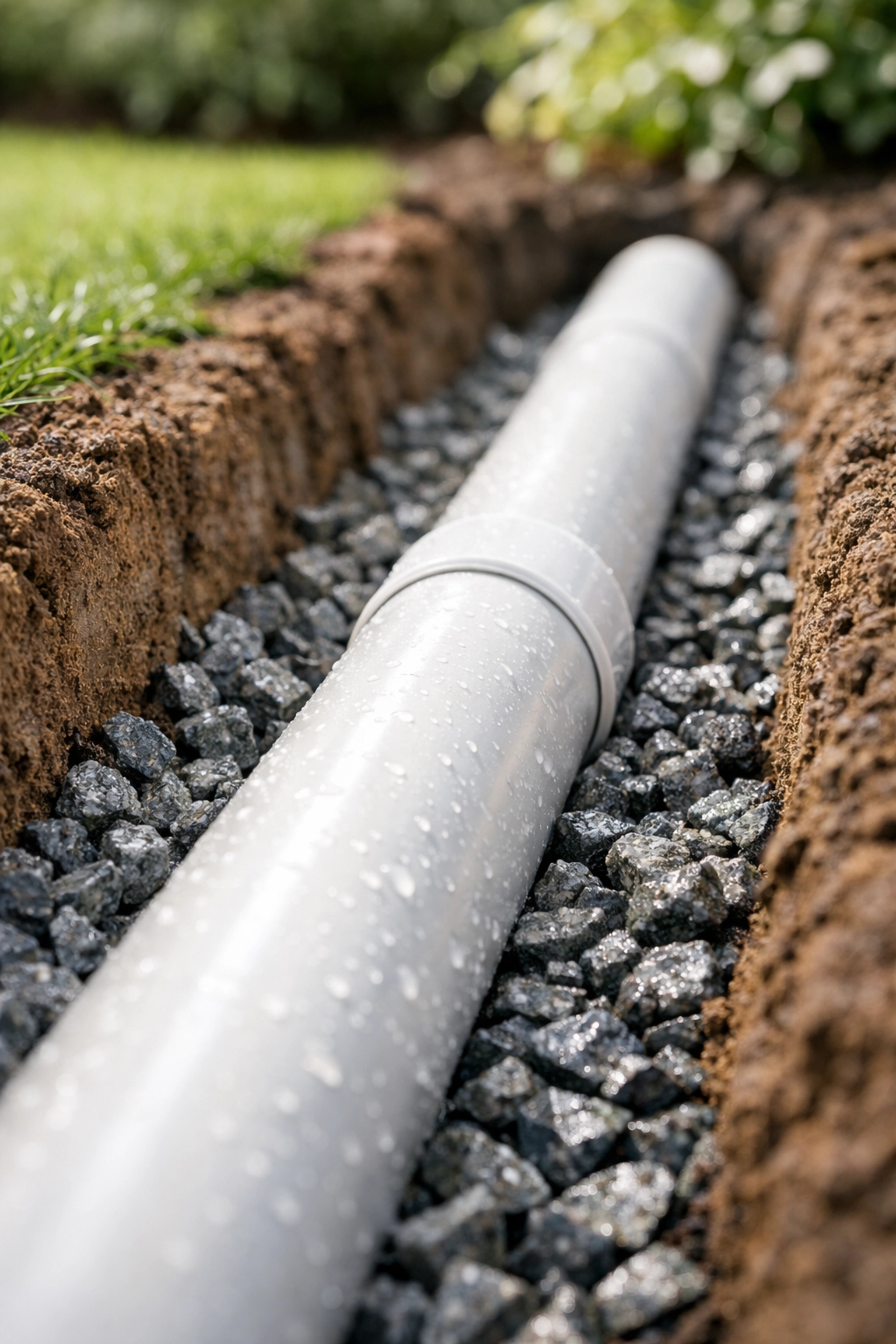
The Professional Solution: We bury the lines. We connect your downspouts to solid PVC piping and carry that water at least ten feet away from the house. In NWA, where we have rolling hills, we use that natural elevation to daylight the water into a safe discharge area or a pop-up emitter.
3. The "Corrugated Pipe" Trap
You go to the big-box store, you buy the black corrugated pipe, you think you’ve solved it. You haven't. Corrugated pipe is a temporary fix for a permanent problem. In our region, tree roots and shifting clay crush thin-walled corrugated pipe within years.
The Problem: Using cheap, flexible corrugated piping for underground drainage.
The Consequence: Clogs from shingle grit, crushed lines from soil pressure, and inevitable replacement costs.
The Professional Solution: We only use SDR 35 or Schedule 40 PVC. It is smooth-walled, which means water moves faster and debris cannot catch. It is rigid, meaning it won’t collapse under the weight of NWA clay. When we handle your French drain installation NWA, we build it to last a lifetime, not a season.
4. Tying Gutters Directly into French Drains
This is the most technical mistake I encounter. You have a French drain to handle groundwater, and you have gutters to handle surface water. You think, "Why not put them in the same pipe?" I’ll tell you why: it’s a recipe for disaster.
The Problem: Merging high-volume roof runoff with a subsurface French drain system.
The Consequence: During a heavy Ozark downpour, your gutters overwhelm the French drain. Instead of collecting water from the soil, the system begins "leaching" roof water back into the ground right next to your foundation.
The Professional Solution: We keep them separate. We run a "dual-pipe" system in the same trench if necessary. One solid pipe for the gutters, one perforated pipe for the French drain. They only meet at the discharge point, far from your home.
5. Forgetting the Catch Basin
Water needs an invitation to leave your yard. If you rely solely on perforated pipe buried in gravel, you are missing the surface water. In areas like Centerton or Bella Vista where yards are often graded tightly between houses, surface pooling is common.
The Problem: Relying on slow-acting subsurface drains for fast-moving surface water.
The Consquence: Standing water that stays for days, killing your grass and breeding mosquitoes.
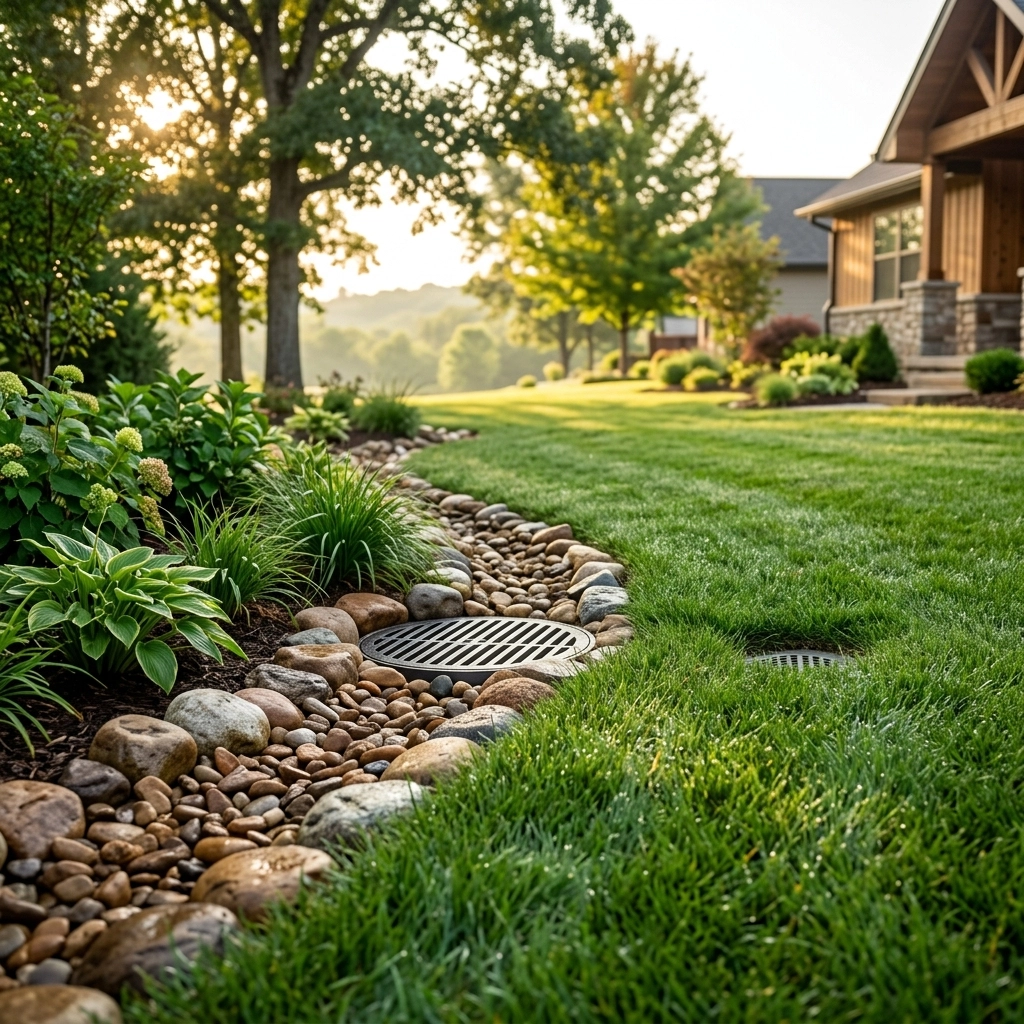
The Professional Solution: We install catch basins. These are strategically placed grates at the lowest points of your property. They capture surface water instantly and direct it into our high-capacity drainage solutions NWA. It's the difference between a yard that "eventually" dries and one that stays usable year-round.
https://cdn.marblism.com/ABDxR_wneeu.webp
6. Improper French Drain Placement
I see French drains installed right against the foundation wall. It seems logical, but it’s often counterproductive. If you put a trench of gravel right against your house, you’ve essentially created a bathtub that invites water to sit against your concrete.
The Problem: Installing drainage systems too close to the structural slab.
The Consequence: Increased moisture exposure to the foundation and potential settling of the soil supporting your home.
The Professional Solution: We offset the drain. We place the French drain several feet away from the house to intercept the water before it ever reaches the foundation zone. We use professional-grade filter fabric to ensure the soil doesn't migrate into the gravel, keeping the system clean and functional for decades.
7. Neglecting the Discharge Point
Where does the water go? If you don't answer this question, you haven't solved the problem; you've just moved it. Many homeowners discharge water onto their neighbor's property or into a spot that just flows back toward the house.
The Problem: Improper termination of the drainage line.
The Consequence: Legal disputes with neighbors, "recirculating" water problems, and massive erosion at the end of the pipe.
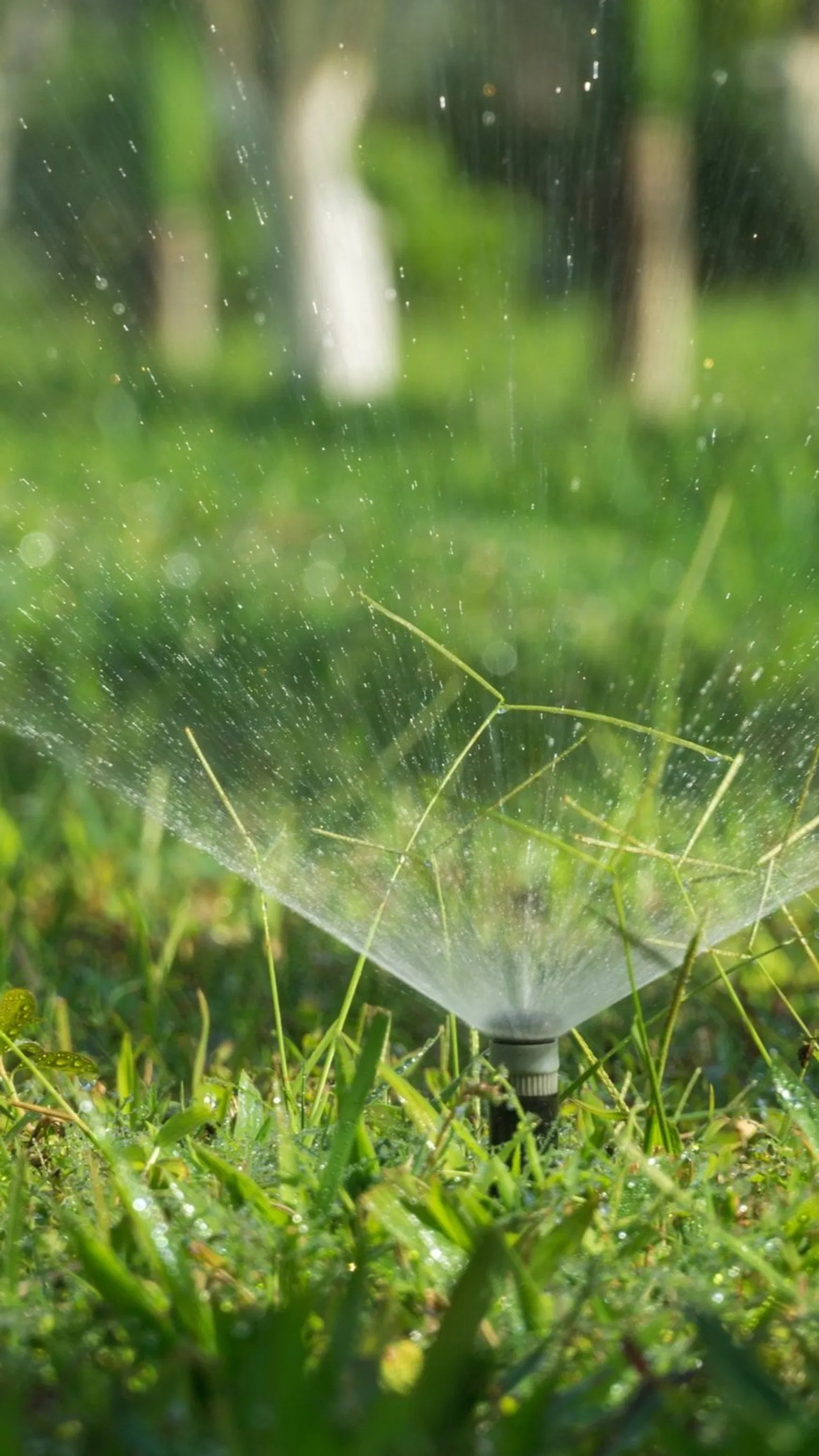
The Professional Solution: We use pop-up emitters or rip-rap splash pads. We ensure the discharge is in a legal, safe, and effective location: usually the street curb or a natural drainage swale. We calculate the volume to ensure the exit point can handle the flow during a 2-inch-per-hour Arkansas rainstorm.
https://cdn.marblism.com/PeFdc0uVHMo.webp
The Commitment to Excellence
I understand your home is your biggest investment. We don't take shortcuts because the Ozarks don't offer second chances with water. We provide a professional, transactional framework for our services, but our relationship is personal. We are neighbors in Benton and Washington Counties.
Our process is simple:
- We inspect your site.
- We identify the specific failure points.
- We design a custom drainage solution.
- We execute with commercial-grade materials.
You want a dry basement, I provide the expertise. You want a lush, usable lawn, we provide the infrastructure. No more soggy spots. No more foundation anxiety.
We work on a fixed-schedule basis to ensure your project is completed before the next big storm hits. Our pricing is transparent, integrated directly into our initial consultation. You know the cost, you know the timeline, you know the result.
Ready to protect your property?
Let’s solve this together. Reach out to Irrigation Solutions Inc. today. We specialize in French drain installation NWA and comprehensive drainage solutions NWA.
Your home deserves a foundation that stays dry. Your yard deserves to be more than a swamp. Let’s make it happen. Professional service, personal commitment, permanent results. That is how we work.
Leave a Reply